
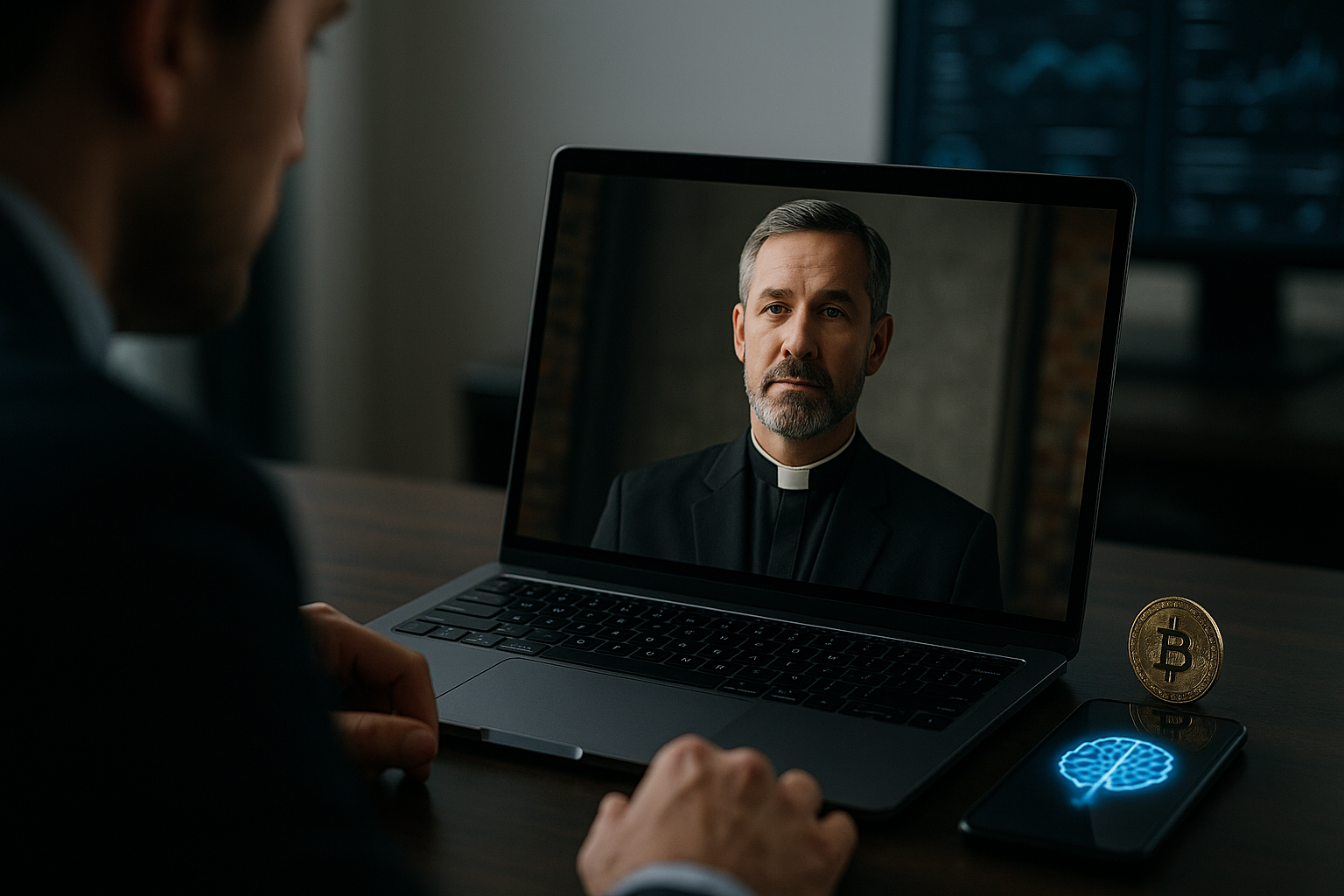
AI Deepfakes Target Faith: How to Spot and Stop Deepfake Pastor Scams
Online impersonation has leapt from celebrity hoaxes to the pulpit. As synthetic media tools improve, fraudsters are launching deepfake pastor scams—AI-crafted videos and voice messages that mimic clergy cadence, gestures, and spiritual tone—to solicit donations or urgent transfers from trusting congregants. The stakes are high: religious communities often move quickly to meet needs and are being targeted alongside a broader wave of 2024 deepfake fraud incidents [1][2].
Deepfake Pastor Scams: Why Churches Are at Risk
Churches sit at the intersection of high trust and fast decision cycles. Scammers exploit that dynamic with convincing AI impersonations, then push for rapid payments through hard-to-trace channels. Ministry reporting details how these schemes pair synthetic videos or audio with cryptocurrency requests, turning spiritual authority into a vector for theft [1]. At the same time, widely publicized fraud cases show how impersonation tactics now scale globally, bypassing traditional verification controls [2].
How Scammers Use AI and Cryptocurrency to Target Congregations
The playbook is familiar but newly convincing:
- Generate a realistic video or audio message that mirrors a pastor’s voice, cadence, and pastoral tone.
- Deliver it over text, email, social platforms, or fake accounts, framed as an urgent ministry need.
- Funnel payments into crypto or other low-friction channels that are difficult to reverse or trace.
Ministry-focused investigations have tied these tactics directly to cryptocurrency church scams, warning that the same AI tools churches explore for legitimate ministry can be weaponized against them [1]. Recent high-value deepfake fraud cases in business and politics underscore the speed and sophistication of these impersonations [2].
High-profile Example: Papal Deepfakes and the ‘False Magisterium’ Problem
Catholic commentators describe a “false Magisterium” risk: AI-generated papal messages that appear to carry doctrinal authority. The Vatican has documented an exponential rise in fake YouTube channels featuring synthetic videos of Pope Leo XIV. Some offer plausible spiritual reflections; others promote sensational content. New channels proliferate as quickly as old ones are removed, complicating enforcement and eroding authenticity across official communications [3][4].
Signs a Sermon or Video Is a Deepfake (Quick Checklist)
For staff and parishioners assessing a suspicious clip, start here:
- Lip-sync mismatch or odd mouth shapes, especially on consonants.
- Inconsistent blinking, lighting, or facial edges around hair and glasses.
- Audio artifacts: robotic timbre, unnatural pacing, or abrupt breath cuts.
- Unfamiliar channel or recently created account; limited history or followers.
- Metadata gaps: missing context, no service date, or unverifiable location.
- Atypical requests for secrecy, speed, or cryptocurrency payments.
- Cross-check the message via known church channels and leaders before acting [1][2][4].
If doubt lingers, pause. Deepfake pastor scams rely on urgency; time is your ally.
Immediate Steps When a Pastor-Sounding Request Arrives
- Verify out-of-band: call a verified church number or reach multiple leaders directly.
- Halt payments: do not send funds—especially crypto—until leadership confirms.
- Preserve evidence: save messages, handles, and transaction details for platform reports.
- Report quickly: flag fake accounts to platforms and notify law enforcement as appropriate.
- Inform your community: share an alert through official channels to limit spread [1][2][4].
Policy and Process: How Churches Should Harden Communication and Payments
- Set verification rules: define approved channels for leader messages and donations; require dual confirmation for urgent asks.
- Control payments: restrict who can initiate transfers; avoid crypto unless vetted controls exist; institute wait periods for unusual requests.
- Educate donors: publish guidance on how to verify a pastor video to detect deepfakes and where to report suspicious links.
- Assign ownership: designate a digital communications lead to monitor, verify, and coordinate takedowns.
- Document incidents: keep an internal log to refine defenses over time [1][2][4].
Tools, Services, and Detection Techniques (What Works and Limits)
Detection tools and platform reporting can help identify manipulated media and remove fake accounts, but none are perfect—and false positives are possible. Media literacy remains essential: clear verification norms and routine training often stop scams before money moves. For broader consumer guidance, see the Federal Trade Commission’s advice on avoiding scams in general (FTC guidance (external)) [1][2][4].
Wider Impacts: Trust Erosion and Ethical Questions for Ministry Using AI
Surveys indicate that pervasive AI-generated videos already dampen Christians’ trust and emotional engagement on social platforms. As deepfake pastor scams spread, congregants may become more suspicious of all digital religious content, complicating legitimate ministry efforts that use AI responsibly [5]. Catholic sources warn that fabricated messages speaking with apparent doctrinal weight exacerbate the erosion of moral authority [3].
Deepfakes are now part of the communications landscape for churches. Clear policies, disciplined verification, and member education are the best countermeasures—and the fastest way to preserve trust. For additional practical frameworks, you can also explore AI tools and playbooks.
Hero image: A symbolic depiction of AI-generated impersonation targeting religious leaders.
Sources
[1] How Scammers Use AI and Cryptocurrency to Defraud Churches
https://ministrywatch.com/how-scammers-use-ai-and-cryptocurrency-to-defraud-churches/
[2] Top 5 Cases of AI Deepfake Fraud From 2024 Exposed | Blog – Incode
https://incode.com/blog/top-5-cases-of-ai-deepfake-fraud-from-2024-exposed/
[3] AI Deepfakes and the Theft of Moral Authority – Word on Fire
https://www.wordonfire.org/articles/ai-deepfakes-and-the-theft-of-moral-authority/
[4] Vatican Struggles Against Spread of ‘Deepfake’ Images of Pope Leo …
https://www.ncregister.com/cna/vatican-struggles-against-spread-of-deepfake-images-of-pope-leo-xiv
[5] Evangelical Christians reject AI-generated videos
https://www.christianpost.com/news/evangelical-christians-reject-ai-generated-videos.html
